My Mother’s Friday Supper From Guadeloupe
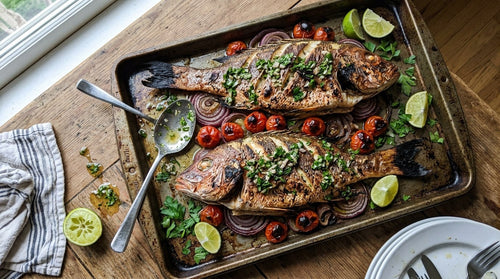
When I was a boy in Guadeloupe, Friday in our house meant fish. My mother would come back from the market with whatever the boats had brought in that morning, and the big pot went on for a court-bouillon or a grilled fish with lime. Seven children around one table. There was always a little left over, because my mother always cooked for nine when there were nine of us, and then a bit more for whoever knocked on the door.
So on Saturday morning she made fish cakes. She flaked the cold fish with her fingers, picking out every bone, and mashed it into potato with spring onion, garlic and thyme from the pot by the back door. Then she shaped them in her palms, quick as anything, and they went into hot oil one by one. The sound of that oil. The smell of thyme and fish turning golden. My brothers and I would stand at the edge of the kitchen pretending we were not waiting.
She never wrote it down. Nobody in my family writes anything down. But I have made these Caribbean fish cakes so many times in London that my hands know it now, and today I want to give it to you properly, with fresh fish, so you do not need leftovers to start.
The secret is not complicated. Dry potato, plenty of herbs, a proper chill before frying, and a spoonful of my Fresh Herbal Sauce folded through the mix. It brings shallot, basil, coriander and a little mustard all at once, so the fish tastes bright and seasoned right to the middle. No heat at all, so the whole family eats them, the little ones too.
Recipe at a glance
- Cuisine: French Caribbean (Guadeloupe)
- Prep: 30 minutes (plus 30 minutes chilling) • Cook: 30 minutes • Total: 1 hour 30 minutes
- Serves: 4 (makes 8 fish cakes)
- Featured sauce: Fresh Herbal Sauce
- Heat level: 0/10, all herb, no chilli
- Diet: Gluten free, dairy free, pescatarian
What you’ll need
A fish cake is only as good as the fish and the potato. Buy firm, skinless white fish: cod, haddock, hake or pollock all work. For the potato you want a floury one, Maris Piper or King Edward, because a waxy potato turns gluey. And go easy with the salt, because the sauce is already well salted.
For the fish cakes:
- 500g skinless white fish fillets (cod, haddock, hake or pollock)
- 450g floury potatoes (Maris Piper or King Edward), peeled and cut into chunks
- 1 bay leaf, 2 sprigs fresh thyme and a few black peppercorns, for poaching
- 1 lime, zest of the whole fruit, plus the squeezed half for the poaching water
- 1 tbsp olive oil
- 3 spring onions, finely sliced
- 1 garlic clove, finely grated
- 1 tsp fresh thyme leaves
- A small handful of flat-leaf parsley, finely chopped
- 2 tbsp Fresh Herbal Sauce
- Freshly ground black pepper, and salt only after tasting
For the crust:
- 3 tbsp cornflour
- 2 large eggs, beaten
- 100g fine polenta (cornmeal)
- Sunflower or vegetable oil, for shallow frying (about 5 tbsp)
For the lime and herb dip:
- 4 tbsp mayonnaise (check the jar says gluten free)
- 1 tbsp Fresh Herbal Sauce
- Juice of half a lime
How I make it
-
Cook the potatoes. Put the potato chunks in a pan of cold water, bring to the boil and simmer for 15 minutes, until a knife slides through with no fight. Drain well, then put them back in the hot pan for a minute so the steam carries off the last of the water. Dry potato is everything here.
-
Poach the fish while the potatoes cook. Put the fish in a wide pan with the bay leaf, thyme sprigs, peppercorns and the squeezed lime half. Pour over just enough cold water to cover, bring it to a bare simmer and cook for 5 to 6 minutes, until the fish turns white all the way through and flakes when you press it. Lift it out with a slotted spoon onto a plate and let it cool and steam dry.
-
Mash. Mash the potatoes with the olive oil until smooth. No milk, no butter. You want a firm mash, not a soft one, so the cakes hold their shape.
-
Flake the fish. Break the fish into big flakes with your fingers, feeling for any bones the way my mother did. Do not mash it to a paste. You want to see pieces of fish in every bite.
-
Bring it together. Add the spring onions, garlic, thyme leaves, parsley, lime zest and the Fresh Herbal Sauce to the potato and stir well. Now fold in the fish gently, turning it over with a spoon rather than beating it. Add black pepper. Taste. Only now decide whether it needs salt. Usually it needs very little.
-
Shape. Wet your hands and divide the mix into 8 balls, then flatten each one into a thick cake about 2.5cm deep. Lay them on a plate lined with baking paper.
-
Chill. Cover and put them in the fridge for 30 minutes. You do not skip this part. Cold fish cakes hold together in the pan. Warm ones fall apart.
-
Coat. Set out three plates: cornflour, beaten egg, polenta. Dust each cake in cornflour, dip it in egg, then press it into the polenta on both sides and around the edges.
-
Fry. Heat the oil in a large frying pan over a medium heat until a pinch of polenta sizzles straight away. Fry the cakes in two batches, 4 to 5 minutes on each side, turning them once and only once, until deep golden and crisp. Keep the first batch warm in a low oven while you cook the second. They should be piping hot in the centre.
-
Make the dip. Stir the mayonnaise, Fresh Herbal Sauce and lime juice together in a small bowl. That is it.

The role of Fresh Herbal Sauce in this dish
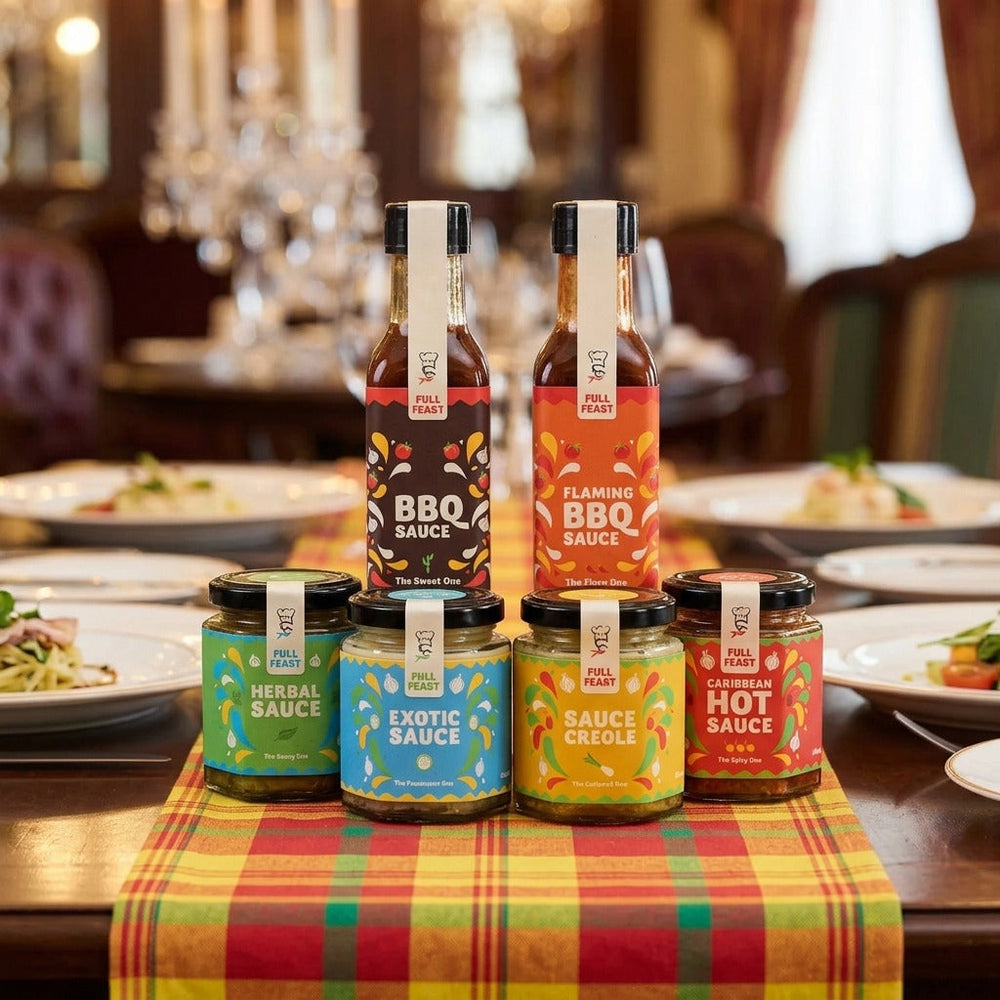
Back home, every cook keeps a little bowl of chopped shallot, herbs, lime and oil for fish. It is how we season. My Fresh Herbal Sauce comes from that habit: mostly shallot, with basil, coriander, black pepper and a touch of French mustard in white wine vinegar.
In the mix it does three jobs at once. The shallot gives a soft sweetness that potato loves. The herbs and mustard keep the white fish lively, so it never tastes flat. And the salt seasons the cake right through to the centre, which is why I tell you to taste before you add any more.
Then in the dip it comes back again, cut with lime and mayonnaise, so every bite of crisp, hot fish cake meets something cool and green. One jar, two moments.
Why do my fish cakes fall apart?
This is the question I hear most, and nearly always it comes down to three things. The potato was wet, the mix was warm, or the fish was mashed too fine. Dry the potato in the hot pan, chill the cakes for the full 30 minutes, and keep the fish in flakes. The cornflour and egg also act like glue for the crust, so do not leave out that first dusting.
Tips from my kitchen
- Fresh or leftover, both work. If you have 500g of cooked fish left from a grill or from my court-bouillon, skip the poaching and start at step 3. That is the real Saturday version.
- Make them the day before. Shaped and coated fish cakes keep covered in the fridge for up to 24 hours. Fry them straight from the fridge.
- Want some heat? Fold half a teaspoon of Caribbean Hot Sauce into the mix for the grown-ups, or put a little on the side.
- Salted fish lovers. If you like the taste of saltfish, you will love my accras de morue, the crisp little fritters we eat at every party in Guadeloupe.
- Breadcrumbs instead of polenta? They work, but then the fish cakes are not gluten free as written. I prefer polenta anyway. It stays crisp longer and it reminds me of the cornmeal my mother kept in the cupboard.
What to serve it with
On a Saturday at home it was simple: fish cakes, a green salad with lime and a little rice. In London I like them with a crunchy, sharp side to cut the richness of the fried crust.
- Caribbean coleslaw. My Caribbean coleslaw is crisp and bright, and it loves a fish cake.
- Fried plantain. A few slices of sweet fried plantain on the side make the plate feel like home.
- A green salad. Lettuce, cucumber and tomato, dressed with lime juice, olive oil and a spoon of Fresh Herbal Sauce.
- Lime wedges and the dip. Always. A squeeze of lime over a hot fish cake is the whole point.
For a light lunch, one fish cake with salad is enough. For supper, two each with the coleslaw and plantain.

FAQ
Why are my fish cakes soggy?
Soggy fish cakes come from wet potato or oil that is not hot enough. Steam the drained potatoes dry in the pan, and wait until a pinch of polenta sizzles before the cakes go in. Do not crowd the pan either, because the oil cools and the crust drinks it instead of crisping.
How do you make fish cakes with fresh fish?
Exactly as I show you above. Poach raw fillets gently in water with bay, thyme and lime for 5 to 6 minutes, let them cool and steam dry, then flake them into the mash. Poaching keeps the fish moist, and drying it stops the mix going wet.
Can you freeze fish cakes?
Yes. Freeze them shaped and coated but uncooked, on a tray first, then in a bag, for up to 3 months. Fry them from frozen over a slightly lower heat for 6 to 7 minutes each side, until piping hot all the way through. Only freeze them if the fish you used was fresh, not previously frozen.
What are fish cakes with potato called in the Caribbean?
Every island has its own. In Barbados people love their fish cakes made with saltfish and a batter, closer to our accras. At home in Guadeloupe my mother’s were simply made with fish, potato and herbs, a way to finish Friday’s fish. This recipe is hers, the way she made it for us.
Are these fish cakes gluten free and safe for allergies?
As written, yes, they are gluten free and dairy free, because I use cornflour and polenta for the crust and check the mayonnaise. They contain fish, egg, and mustard (in the Fresh Herbal Sauce), and the sauce contains sulphites from the white wine vinegar, so they are not for anyone with those allergies.
Final word from me
These are not fancy. They are Saturday food, the food of a big family and a mother who never wasted anything. But when you bite through that crisp golden crust into soft potato and big flakes of fish, with thyme and lime and herbs all through it, you understand why we fought over the last one. Make a double batch. Freeze half. Thank me on a busy Friday.
JP